
The best J-Horror and K-Horror films
In 1998, a low-budget Japanese feature filmed a cursed VHS tape and permanently rewrote the global grammar of horror. Twenty-five years later, Thai, Taiwanese and Australian filmmakers are still mining what Ringu unlocked: slow dread, the unseen more frightening than the seen, the everyday as antechamber to the supernatural.
This selection traces ten films that defined, exported and extended J-Horror — with its K-Horror cousins and its contemporary global echoes. Each entry marks a shift: what the film introduced, what made it copyable, and what still makes it essential today.
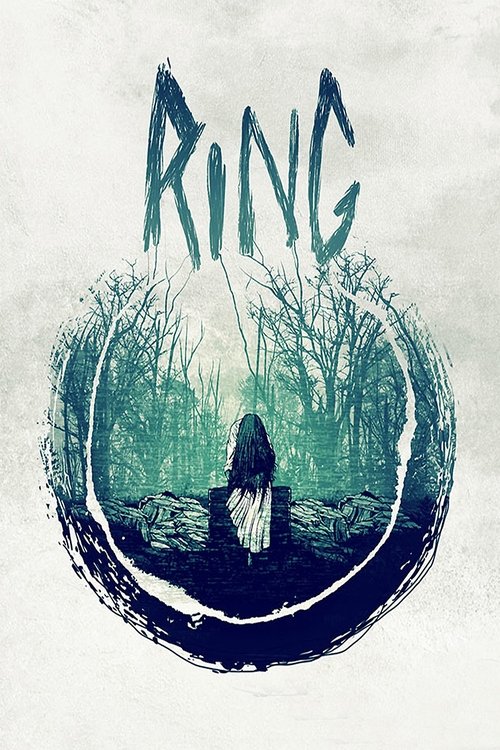
The origin point. Hideo Nakata films a tape that kills its viewer seven days after watching and invents, in 96 minutes, the grammar still being pillaged today: long black hair, convulsive movements, TVs switching on by themselves. Nakata's restraint — minimal score, held takes, horror in the background of a family drama — is exactly what the American remakes will fail to reproduce. Ringu opened a decade of exported J-Horror.

Takashi Miike spends sixty minutes setting up a sentimental drama — a widower auditions women for marriage through a fake casting call — before pivoting into one of the most traumatic sequences ever filmed. Audition's structure is its thesis: violence only arrives once boredom, comfort and complicity have set the stage. Miike films torture as an emotional state, not a spectacle.
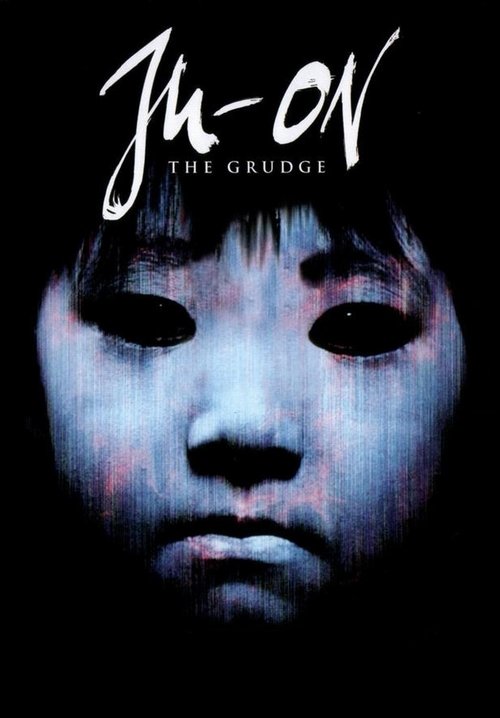
Takashi Shimizu codifies the transmissible curse concept — not a single victim but a contaminated house infecting anyone who enters. Ju-On uses a fractured non-chronological chapter structure where every character is condemned the moment they appear. Kayako crawling down the stairs remains the talisman-image of J-Horror: what should stay invisible refuses to be forgotten.

Gore Verbinski Americanises Ringu with twenty times the budget, a glacial blue palette and Naomi Watts headlining. The bet: adapt the concept without diluting the dread. Massive commercial success, contested critical legacy — The Ring opened the American market to J-Horror and kicked off a remake fashion that exhausted the subgenre in five years. It's also, paradoxically, a very good film.

Hideo Nakata returns to the subgenre with another Suzuki adaptation, this time centred on motherhood. A divorced mother moves into a leaking building. Dark Water refuses jump scares and builds its horror on humidity, exhaustion, the guilt of a woman no longer sure whether she's protecting her daughter or losing her. The most melancholic J-Horror — and the most pointed about the female condition.
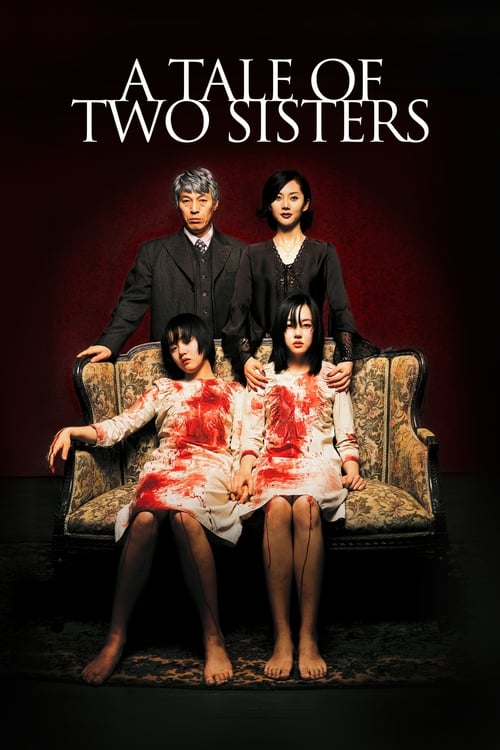
Korea answers Japan. Kim Jee-woon builds his film like a set of nesting dolls — every reveal forces a recount of what came before. A Tale of Two Sisters is one of the most stylised K-Horror entries: saturated colours, sculpted photography, classical score. Inspired a decade of Korean filmmakers and a botched American remake (The Uninvited).
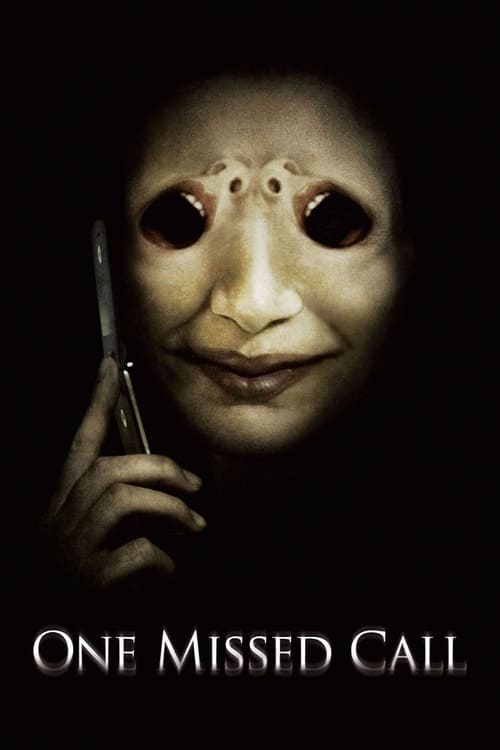
The American remake of Takashi Miike's Chakushin Ari (2003). Eric Valette delivers a 2000s-conformant version: teenagers in danger, regulated jumps, ringtones announcing death. The US One Missed Call is less a great film than a sociological witness — the exact moment Hollywood drained J-Horror of its ambiguities and turned it into a young-adult consumer product.
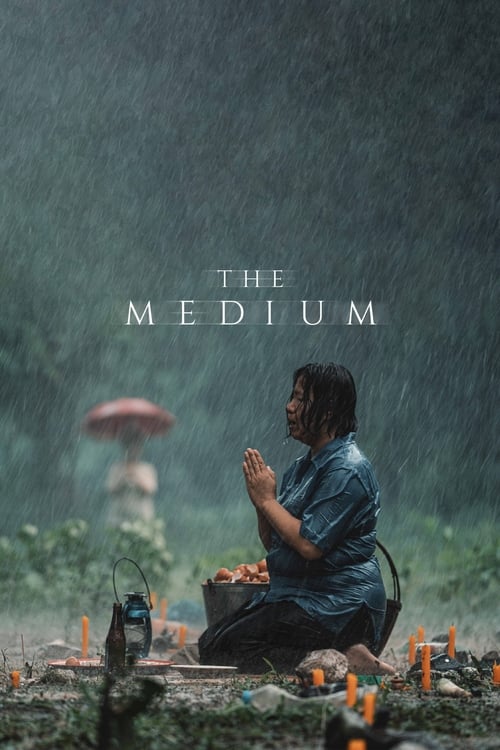
Banjong Pisanthanakun (director of Shutter) delivers one of the most powerful Asian found-footage films. Presented as a documentary following a Thai shaman and her family, it slides progressively into possession territory. The Medium's strength comes from its refusal of easy supernatural: the camera captures things, the shaman interprets them, the viewer must choose between psychiatric and demonic. Co-produced with Na Hong-jin (The Wailing).

Taiwan, Kevin Ko addresses the viewer directly — a faux documentary where the protagonist asks the audience to repeat an incantation to protect her daughter. Incantation caused a stir with its broken fourth wall: the film literally accuses its audience of participating in the curse. Worldwide Netflix hit, recent proof of J-Horror that's no longer Japanese — but that practises exactly the grammar Nakata laid down twenty-five years earlier.
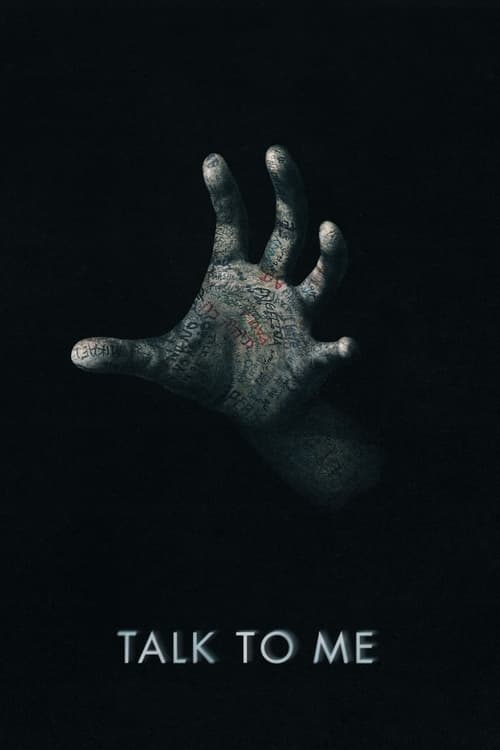
Australia, Philippou brothers (from the YouTube channel RackaRacka). A ceramic hand allows contact with the dead — provided the user respects a thirty-second limit. Talk to Me applies J-Horror grammar (cursed object, possession-as-drug, vulnerable friend group) to the TikTok era. A24 phenomenon, critical and audience success, proof that the subgenre has never stopped feeding global cinema.
J-Horror didn't survive by staying Japanese. It survived by relocating — Korea, Thailand, Taiwan, Australia — and by keeping its founding thesis intact: horror doesn't need to be spectacular to be unbearable. If you've only seen the American remakes, start with Ringu (the original) and The Medium. That's where the subgenre says what it has to say most clearly.