
The best analog horror films
Analog horror is a recent subgenre that invents itself mainly on YouTube — Local 58, The Mandela Catalogue, Gemini Home Entertainment — but its cinematic roots predate the label. Before it was named, several features were already exploiting what the movement would codify: the VHS tape as intrinsically cursed object, the corrupted transmission as threat, the low-tech aesthetic as fear amplifier.
This selection traces six landmark films that laid down, anticipated or summed up the analog-horror grammar on the big screen. Not a full history — that's written in web-series form. But these six entries are the cinematic prerequisites for anyone wanting to understand why Skinamarink exists.
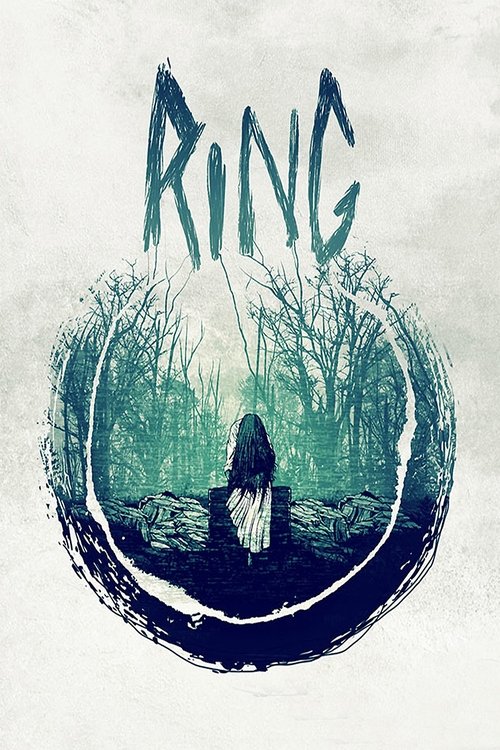
Ringu lays down the analog-horror principle before the label existed: the VHS tape isn't a narrative vehicle, it IS the cursed object. Seven days after viewing, the analogue object has killed its watcher. Nakata films the screen-within-the-screen, the video grain, the white noise, the chromatic decay — everything an analog-horror YouTube creator would exploit twenty years later. No Ringu, no Local 58.
Stefan Avalos and Lance Weiler shoot in mini-DV for a thousand dollars and present their film as a documentary about two missing presenters from the show Fact or Fiction. The Last Broadcast was eclipsed by Blair Witch the following year, but it's the first true film to deliberately blur documentary format, found footage and analogue tinkering. Tape mixes, photo inserts, glitch — sixty minutes ahead of their time.
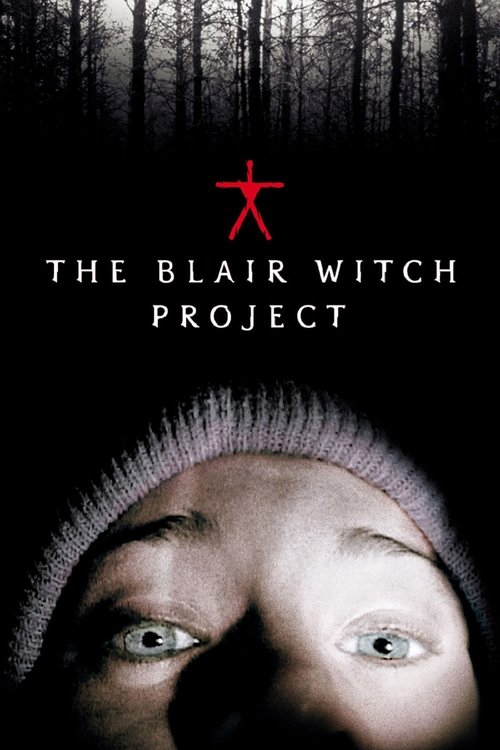
Blair Witch invents the large-scale analogue hoax. Beyond the film itself — mixed 16mm and Hi8, degradation as principle — it's the marketing campaign that prefigures analog horror: fake pseudo-official websites, fake "missing" posters, doctored administrative documents. The fiction overflows the film into the media object. This extra-filmic extension is exactly what YouTube creators will systematise.
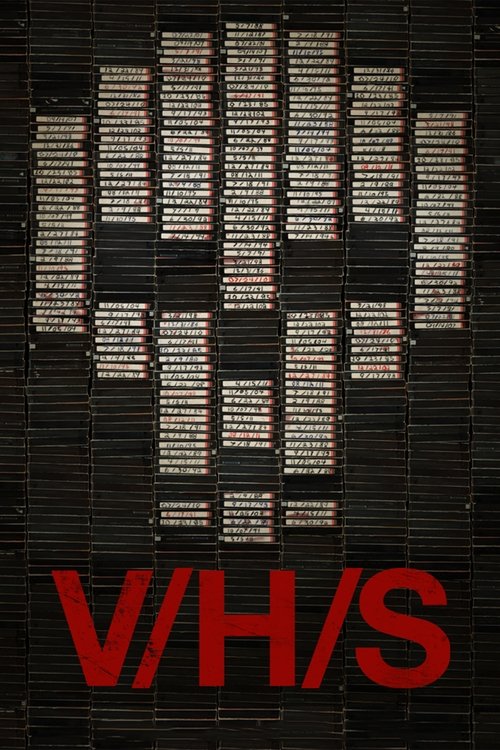
The anthology that celebrates the VHS format head-on as horror object. Six segments by six different teams, damaged tapes as framing device, deliberately low-resolution aesthetic. V/H/S normalised analog horror cinema in the HD era: claim degradation, seek it out, cultivate it. The franchise now counts six sequels, each released yearly on Shudder, proof that audiences crave images they can't see clearly.
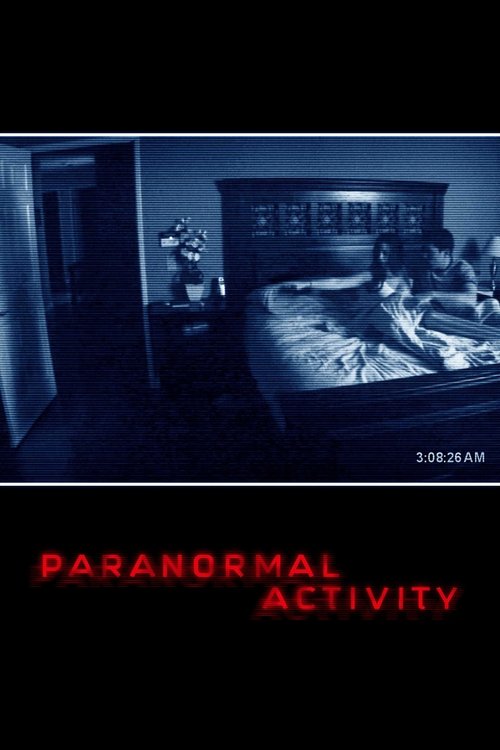
Paranormal Activity applies the same method but in domestic format: consumer camera on a tripod, nights recorded continuously, autofocus static. The film is less analog stricto sensu (it's digital) than phenomenological: the recording object becomes the subject. The viewer no longer needs to be told why anyone is filming — the camera is everywhere, all the time. Prefigures domestic analog horror precisely.
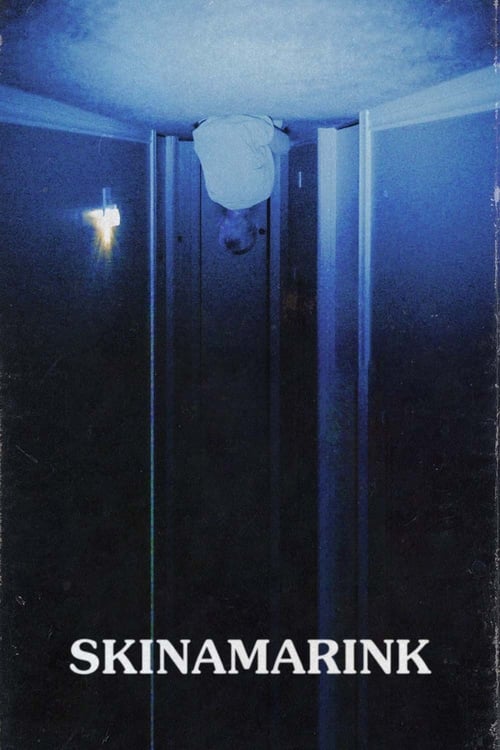
The flagship analog-horror feature. Kyle Edward Ball, alumnus of the YouTube channel Bitesized Nightmares, applies the web-subgenre codes (long static takes on the corner of a wall, pushed chromatic degradation, hissing audio, near-total narrative refusal) to a feature film. Skinamarink divides audiences — its pacing tests patience — but it proved the format could hold 100 minutes. Without it, analog horror stayed stuck on YouTube.
Analog horror remains mostly a short-form subgenre — the three-minute tape, the emergency bulletin, the YouTube episode. Cinema dips in intermittently, almost always by borrowing from other subgenres (found footage, ghost story, psychological horror). Skinamarink proves it can hold a feature. The remaining question is whether anyone else will try.