The best found footage films
What are the best found footage horror movies? From Cannibal Holocaust to Late Night with the Devil, these 15 essential films span over 40 years of subjective camera and raw terror. Cult classics, hidden gems, and recent innovations: this is the definitive guide to the found footage films you need to see.
Found footage refuses to die. Born in 1980 from a scandal, popularised in 1999 by a marketing hoax turned phenomenon, resurrected each decade in a new form — VHS, webcam, smartphone, lockdown Zoom — the subgenre's strength lies in one simple bet: convince the viewer that what they're watching is real.
This selection traces forty-four years of evolution, from anthropological shock to TikTok nightmare. Each entry is a marker: what it introduced, what was imitated afterward, and why the film still holds up today.
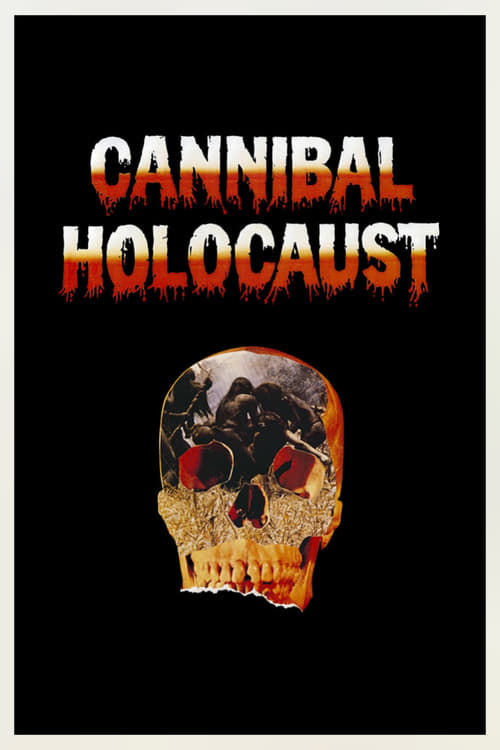
Year zero. Ruggero Deodato films a fictional Amazon expedition and packages it as recovered footage after the crew vanishes. The trial scandal — Deodato had to prove on the stand that his actors were alive — predates the found-footage boom by twenty years. The film still defines the grammar: subjective camera, documentary framing, recursive meditation on who's watching what.
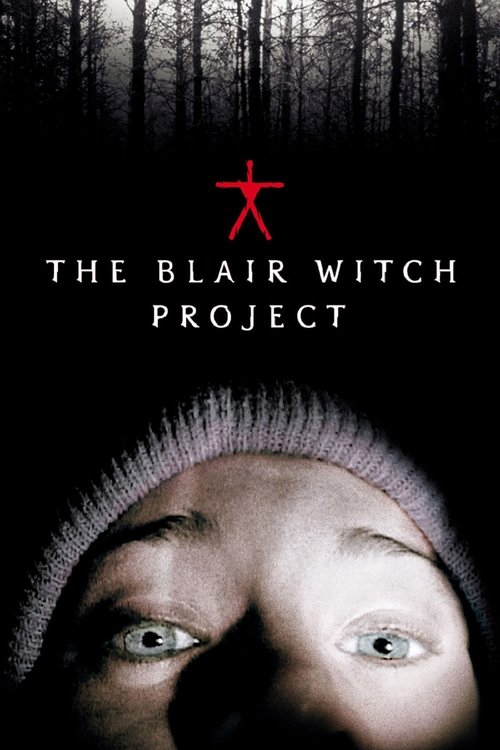
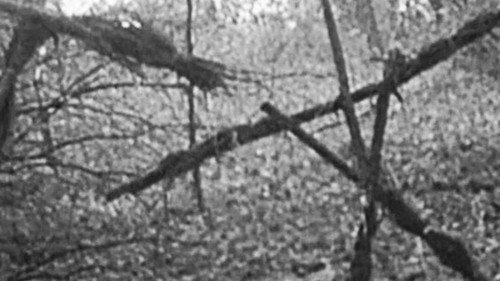
The breakthrough. Three students set off to film a legend in the Maryland woods, never return, their tapes are found. Blair Witch invented every move of viral horror marketing — pseudo-official websites, fake "missing" posters, rumours that the actors had actually died. No creature visible, just a lost map and a basement at the end. Unbeaten economics: $60,000 budget, $250 million at the box office.
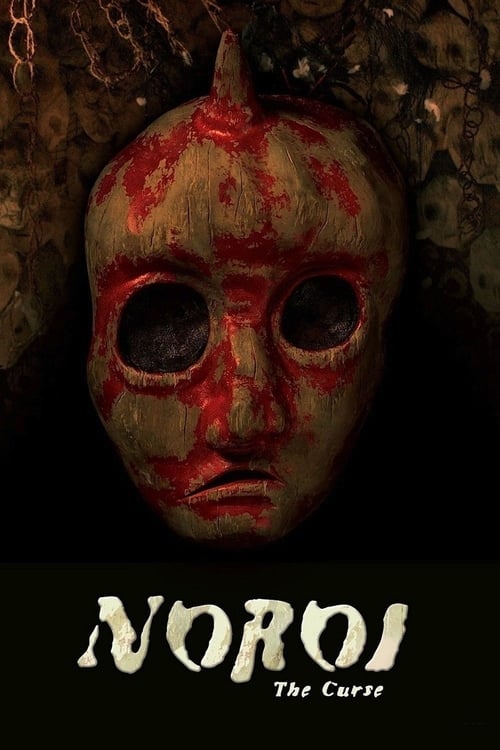
The Japanese peak. Kōji Shiraishi structures the film as a faux TV report on a paranormal journalist who disappears. Three hours (in the long cut) of patient staging without a single jump scare, where horror emerges by accumulation of tiny details. Nearly impossible to access legally in Europe, Noroi remains the single best argument for subscribing to Shudder US via VPN.
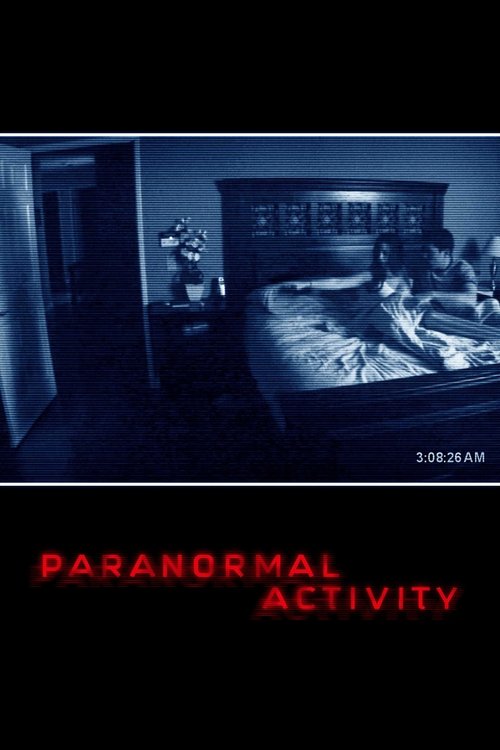
Oren Peli films inside his own house over seven nights with a $1,500 camera. Minimal concept — a couple, a bedroom, a static camera — surgical execution. Paranormal Activity invented night-by-night escalation as dramatic structure, and proved a $15K budget could return $193 million. An entire decade of low-budget horror flows from it.
![[REC]](https://image.tmdb.org/t/p/w500/hgyJR4sgMsee6xMFM3xYiG6cDCh.jpg)
Spain, Barcelona, a residential block sealed off by the authorities. A TV reporter (Manuela Velasco) and her cameraman are trapped inside with what proves to be much more than an epidemic. Handheld shooting, near-continuous long take, impeccable physical execution. The American remake Quarantine dropped barely a year later; it has never matched the original.
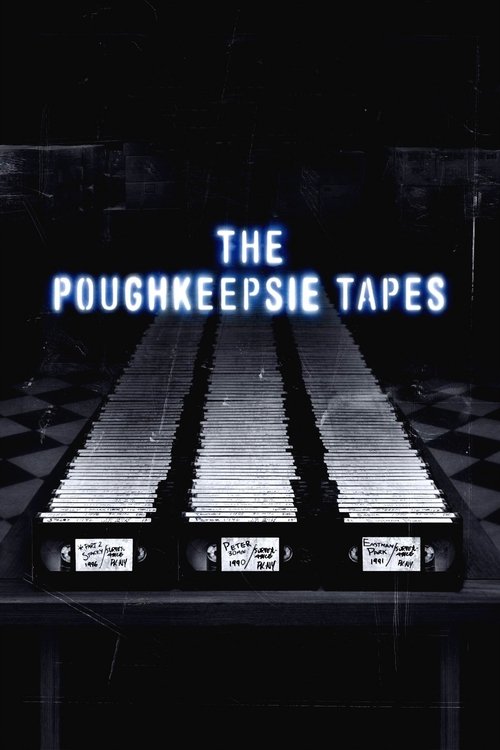
The most discreet entry on the list. The Poughkeepsie Tapes sat shelved for seven years between producer and distributor, semi-confidential release in 2014. A faux documentary on a serial killer who films his crimes, it's the most disturbing entry in the subgenre — no supernatural, just the lingering sense of having seen something that shouldn't exist.
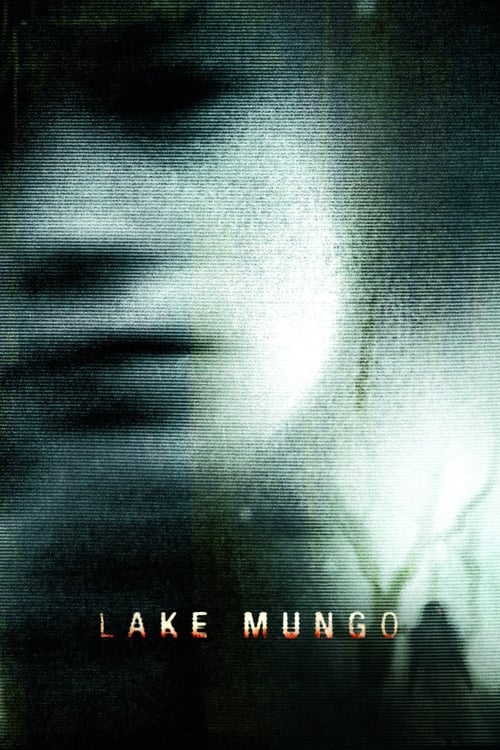
Australia. Joel Anderson builds his film as a grief documentary — a family loses its daughter, believes it can see her ghost in photographs. The mid-film reversal is one of the strongest in the subgenre, but that's not what makes it great. Lake Mungo talks about mourning and the end of life in a register no one else had tried. A deeply sad film.
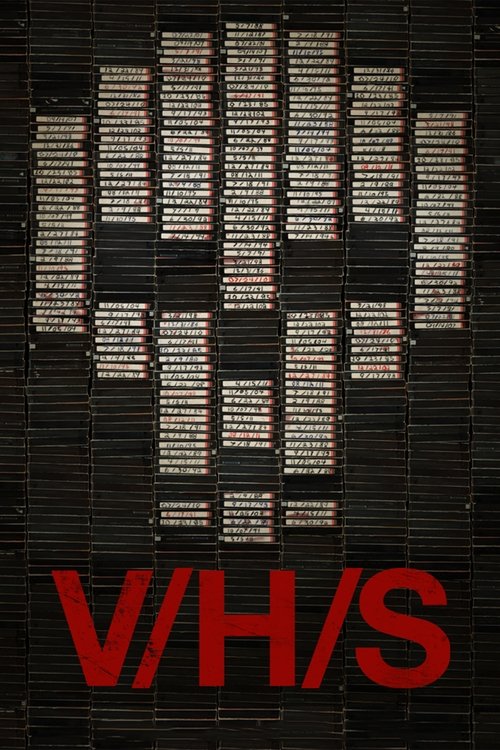
Anthology format. Multiple directors. One grimy framing device. V/H/S understood what found footage had forgotten: you can change the rules every twenty minutes. From video chat to vintage camcorder to GoPro, each segment reinvents the medium — and with it, the source of fear. The segments aren't all equal, that's the nature of anthologies. But David Bruckner's "Amateur Night" is worth the entire film, and the concept launched careers that now dominate independent horror. V/H/S didn't save found footage — it gave the subgenre a second lung.
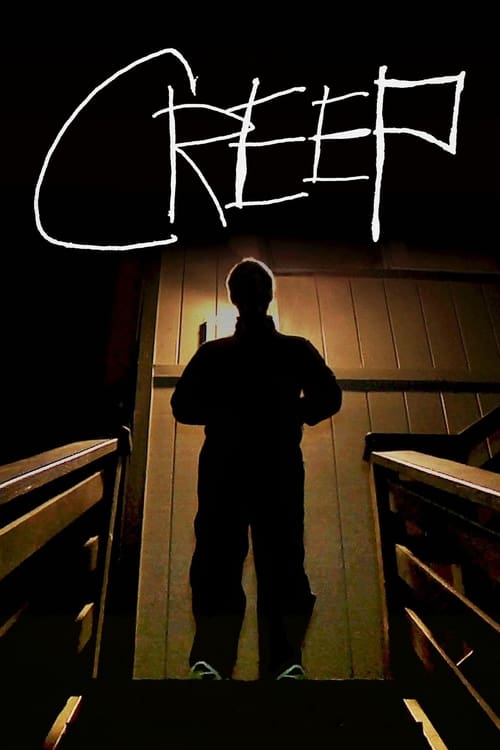
No demon. No curse. Just a weird guy who hired you to film him, and who smiles a little too much. Mark Duplass plays Josef as a tightrope walk between charming and unsettling — you'll spend the entire film trying to pinpoint the exact moment it tips. Spoiler: you won't find it, and that's the whole genius of Creep. Patrick Brice shoots with the economy of a real documentarian: one camera, two actors, zero safety net. The definitive proof that found footage doesn't need anything supernatural to keep you up at night. Reality is enough. It's worse.
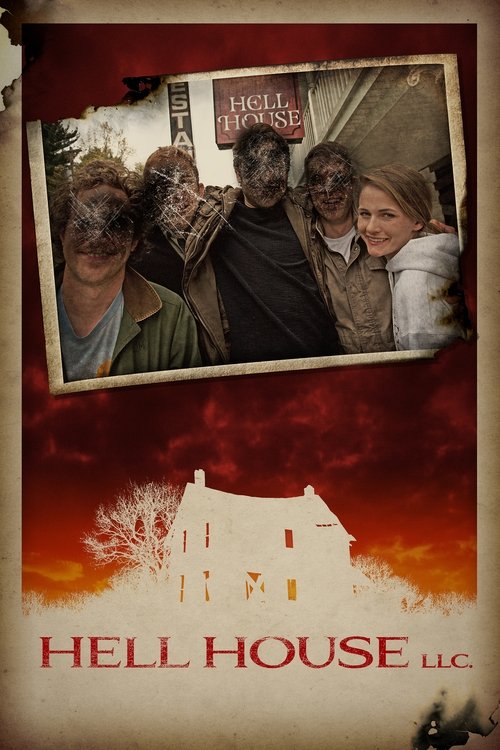
The found footage haunted house was a dead genre by 2015. Stephen Cognetti revived it by shifting the premise: the action doesn't take place in a haunted house, but inside a commercial Halloween scare attraction. The props are designed to be frightening — that's their purpose. So when the mannequins move between shots, the question becomes: how long has this been real? The multi-camera setup (GoPro, fixed surveillance, handheld) maps the space without ever making it legible. The basement scenes with the motionless clowns — or not — enter the pantheon of the most harrowing found footage sequences since [REC].
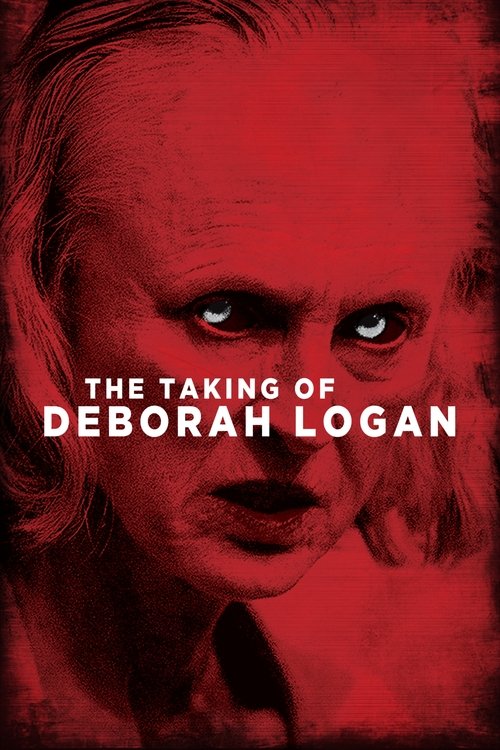
The premise is clinical: a documentary crew films an Alzheimer's patient for a university project. The early symptoms are medically consistent — confusion, nighttime aggression, spatial disorientation. The film takes its time, establishes a credible framework, and lets the viewer diagnose each episode. Then the neurological explanations stop working, one by one, methodically. Adam Robitel orchestrates the transition from social documentary to body horror with a control that makes the shift almost imperceptible. Jill Larson vanishes into the title role — you forget the performance, only the disease remains, or whatever hides behind it. The final image went viral in the horror community. It deserves to.
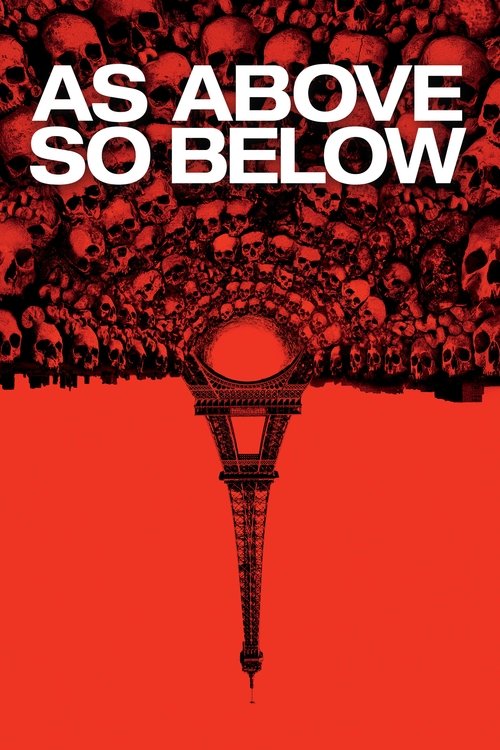
The Paris catacombs. For real. Not a set, not a soundstage — six kilometers of bones beneath the City of Light, and a crew crazy enough to take a camera down there. John Erick Dowdle turns found footage into an infernal adventure film: the descent is Dantean in the literal sense, each level more personal and more nightmarish. The pacing is relentless — once you're down, you don't come back up. This is action-horror found footage at full throttle, proof that the format swallows any genre without choking. The claustrophobia is real. So are the bones.
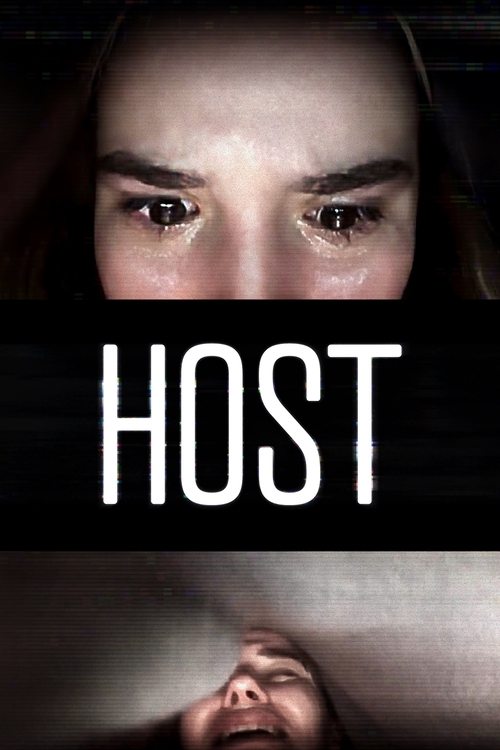
Lockdown, UK, July 2020. Six friends on Zoom, a botched séance, fifty-six lean minutes. Rob Savage wrote, shot and edited Host over a few weeks on Skype, under the literal conditions of the subject — everyone in their own home, on a webcam. The film redefined what found footage could say about an era; it also kicked off the 2020s decade of the subgenre.
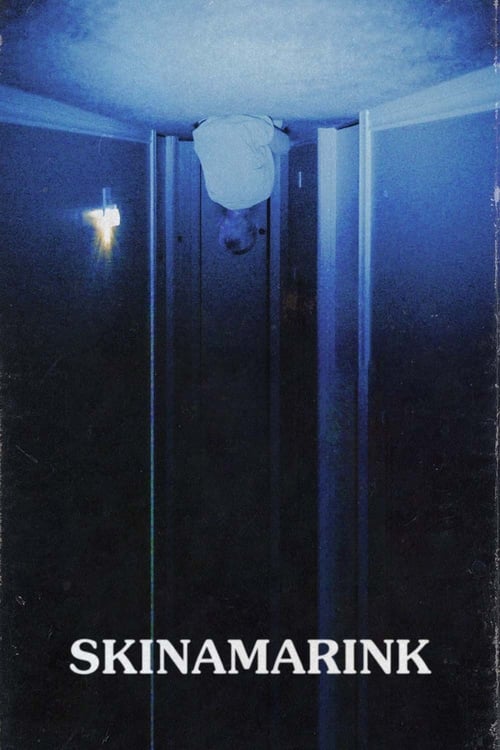
Closer to near-found-footage than found footage proper: Kyle Edward Ball films an empty house at night, two children, looped cartoons on the living-room TV. Skinamarink is a corner-of-the-eye film — what you think you see disappears when you look at it. Viral on TikTok, limited theatrical release, polarising: viewers either lock in or fall asleep. No middle ground.
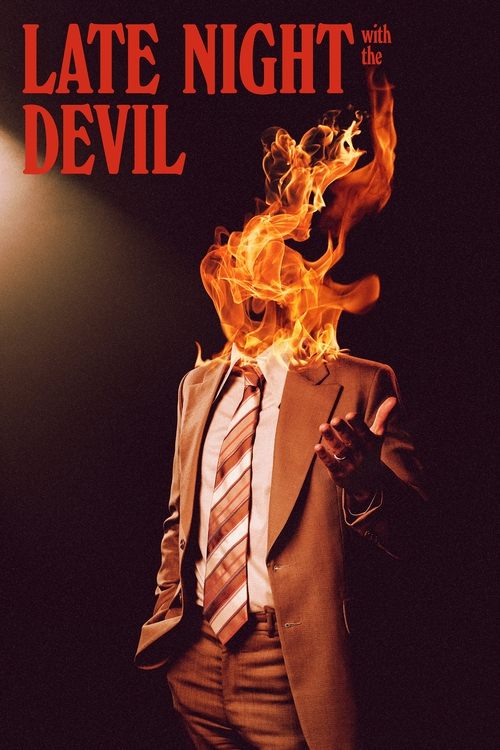
Australia, Cairnes brothers. A fake live broadcast of a 1977 American talk show — David Dastmalchian as the host — where the camera lingers on what wasn't meant to air. The film blends studio floor, behind-the-scenes footage and pure found-footage tape, both a deliberate love letter to 1970s cinema and a demonstration that the subgenre still has something to say in 2024.
Found footage was never a fad. It's a device — the claim that all of this was actually filmed — that reinvents itself every time the tools mutate. VHS, webcam, smartphone, video-call app. The next wave will come from real time, from domestic deepfakes, from the camera that never sleeps.
In the meantime, the selection above is a solid entry point. If you've only seen two or three, start with Blair Witch and Lake Mungo — one for the grammar, the other for what the subgenre can reach when it forgets to try to scare you.