The best folk horror films
Folk horror is about the land. Not nature in the romantic sense — the postcard, the hike — but the land as anteriority, as transmitted knowledge, as silent tribunal that never forgave the foundations of modernity. It's a subgenre that wakes up pre-Christian cults, questions what Christianity crushed to establish itself, and systematically asks: what survives when the city vanishes?
This selection traces the founding British trinity of the late 1960s, the 2010s renaissance (Wheatley, Eggers, Aster) and the global wave that follows (Iceland, India, Wales). Fourteen films to understand why The Wicker Man remains unbeatable and why the subgenre is more alive than ever.
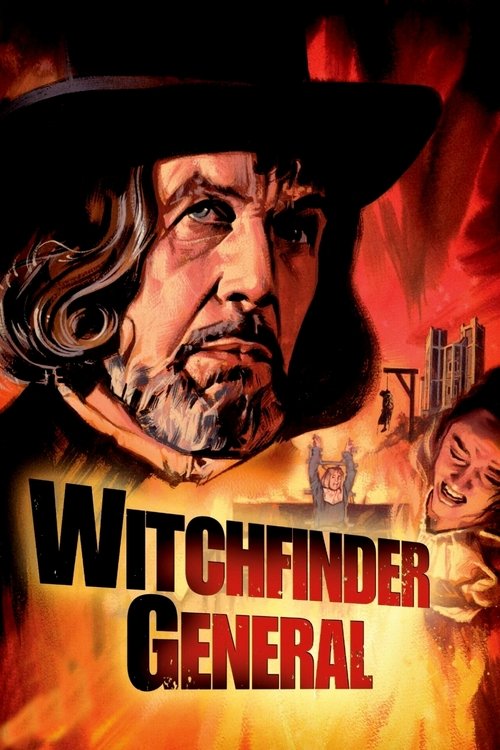
First peak of what English-language critics will baptise the folk-horror "unholy trinity". Michael Reeves, twenty-four years old, films a Cromwell-mandated witch hunter crossing East Anglia. Vincent Price delivers an icy, glamour-free performance. Reeves died before release, age 25 — Witchfinder General remains a political film about the corruption of religious power, more than a supernatural one.
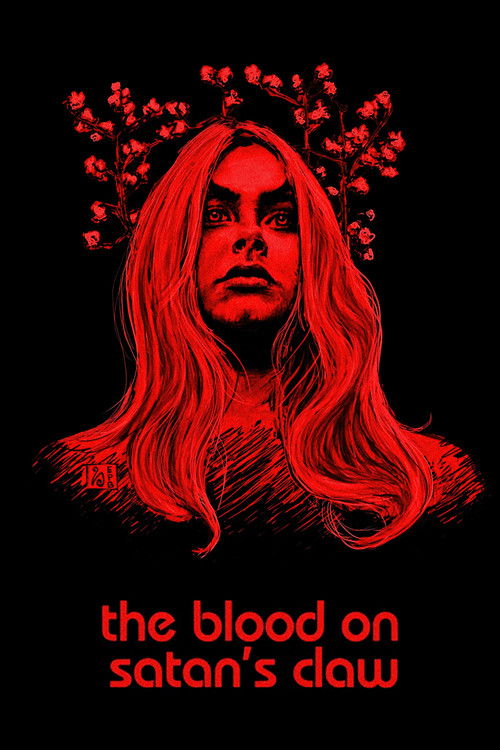
Piers Haggard plants folk horror in the late-17th-century English countryside. A plough unearths something it shouldn't have, a cult forms among the village children. The Blood on Satan's Claw is the trinity entry where corruption seeps in slowly, with no hero to stop it. The saturated-colour photography finds its subject in sap, mud, menstrual blood.
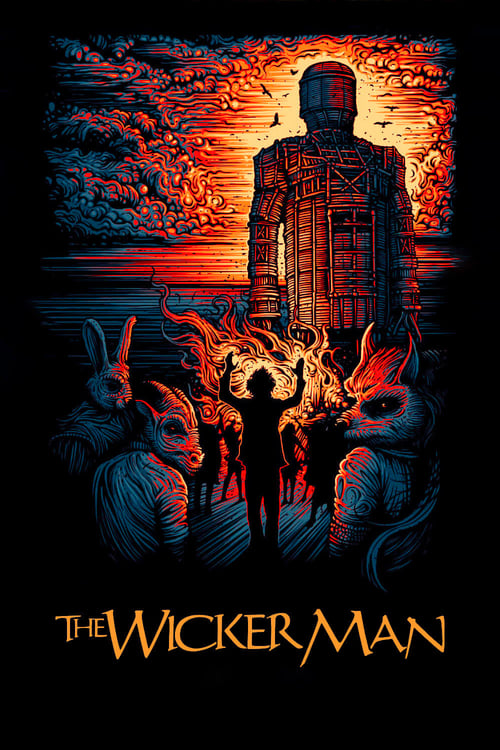
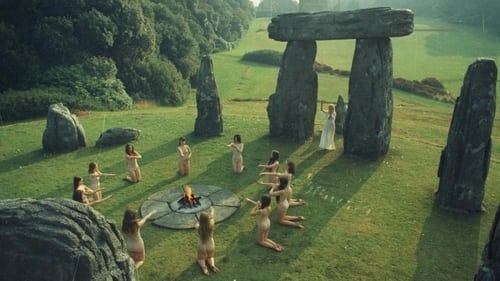
The absolute peak. Robin Hardy films a Protestant policeman landing on a Scottish island where Christianity never took hold. Christopher Lee in the role of his life. The Wicker Man blends pagan musical, police drama and cosmic horror while absolutely avoiding the subgenre's routines. The wicker-man finale remains the single most powerful image folk horror has produced — and its intelligence is to make it almost joyful.
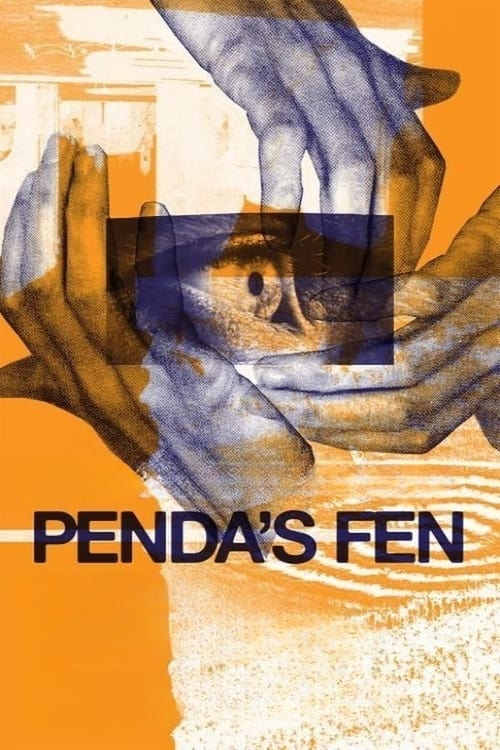
BBC television film directed by Alan Clarke, scripted by David Rudkin, endlessly cited, almost never seen. A fragile teenager in Worcestershire discovers that deep England is neither Christian nor Anglo-Saxon but a demonic, sexual, pagan land. Penda's Fen is probably folk horror's most intellectual work — a dramatised essay on national identity, sexual orientation, and what the BBC could broadcast in 1974.
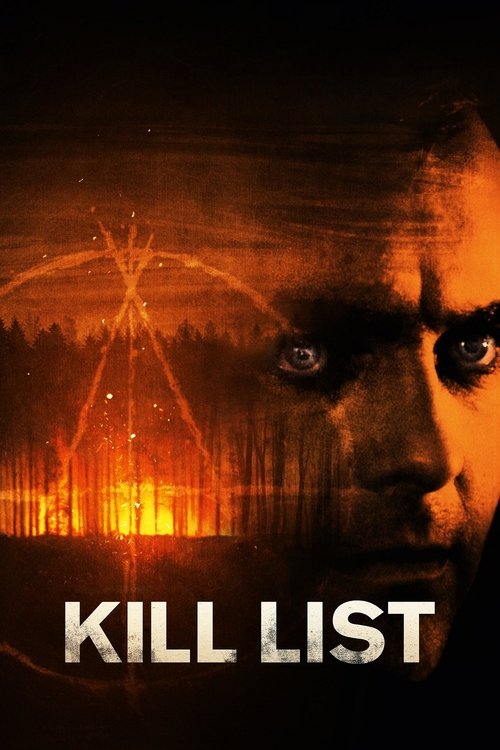
Ben Wheatley relaunches British folk horror with a hitman film that doesn't look like a folk-horror film — until the last thirty minutes. Kill List functions like a delayed-action bomb: domestic drama, crime story, then ritual pivot in an English forest. Wheatley has stated he never intended to make a genre film. The result is one of the most brutal works of the renewal.
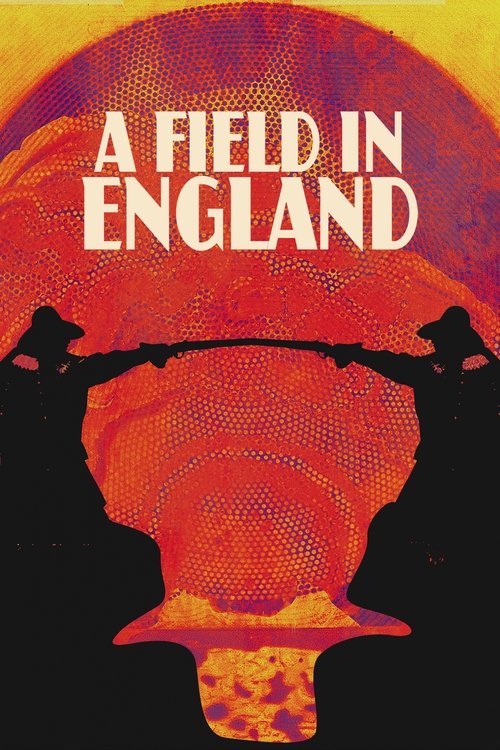
Wheatley doubles down with a black-and-white chamber piece during the 17th-century English civil war. Four deserters find a field and a man who feeds them mushrooms. A Field in England is a hallucinogenic, formalist horror film where every shot is a provocation. The subgenre had never been closer to arthouse. Not for everyone — but what audacity.
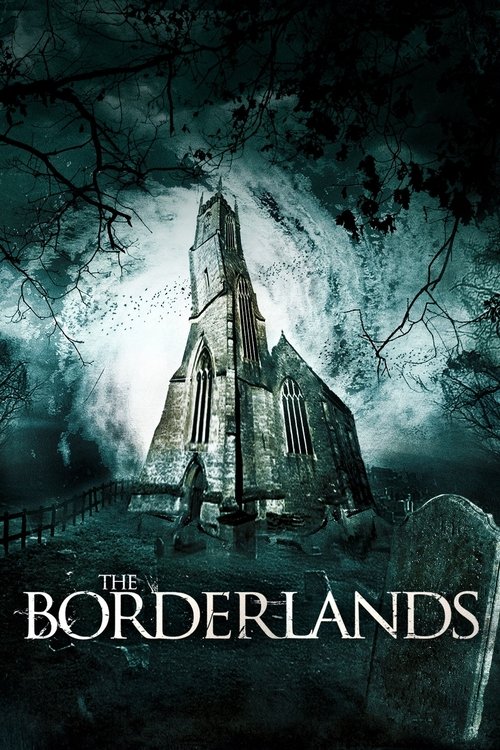
Found footage meets folk horror. Elliot Goldner films two Vatican investigators sent to verify a miracle in Devon — body cameras, live audio, smothering atmosphere. The Borderlands is one of the few found-footage films to seriously exploit British topography: the medieval crypt, the pagan stones, what sleeps under the church. Memorable finale.
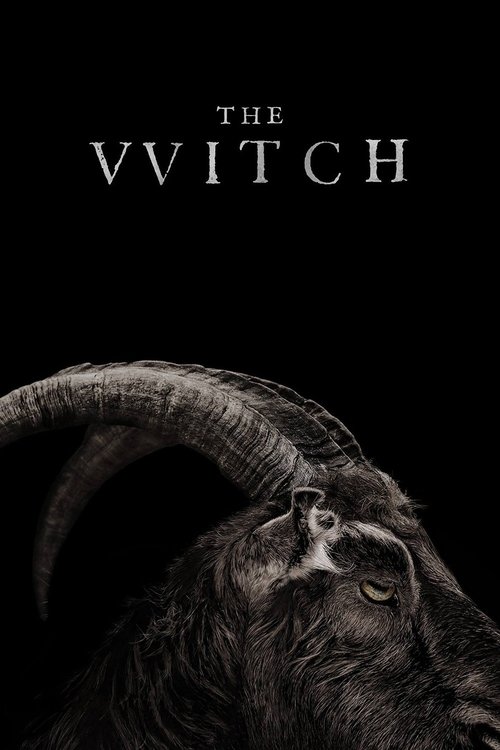
Robert Eggers reconstructs 17th-century Puritan New England with maniacal care — real timber, period dialect, natural light only. The Witch (subtitled A New-England Folktale) follows a family banished from a colony and sinking into the forest. Not a single jump scare, the horror entirely contained in Eggers's patience for letting dread build. Anya Taylor-Joy revealed.
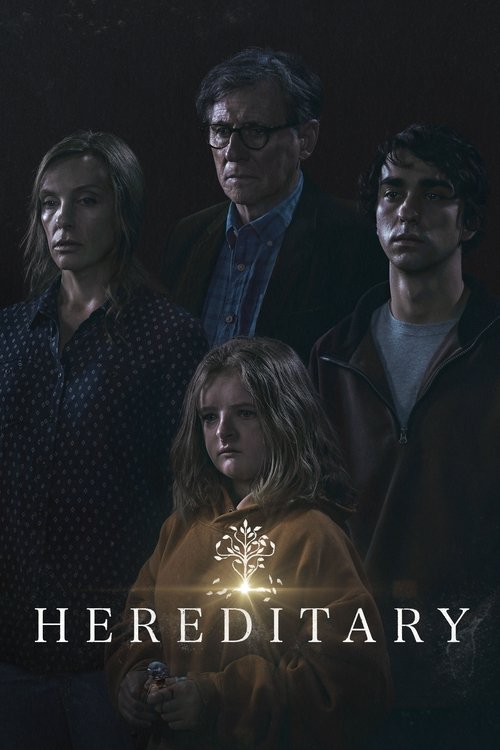
Ari Aster films folk horror hidden inside a family drama. Hereditary looks for an hour like a Bergman on bereavement, then pivots into the demonic without signalling it. Toni Collette delivers one of the decade's most violent horror performances. The cult pact that surfaces at the end isn't a revelation but a confirmation: every part of the film led there unseen.
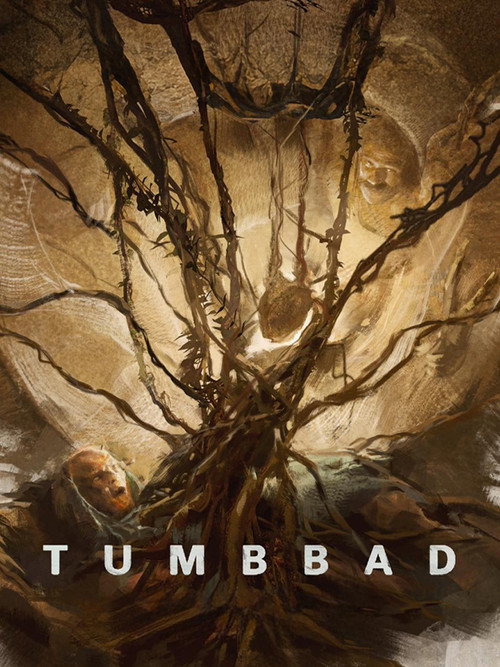
Indian folk horror. Rahi Anil Barve films a Maharashtrian myth about a dead god his mother hides from the world — anyone who wakes him loses what they treasure most. Tumbbad is gorgeously photographed in incessant-rain and ochre tones, blending moral tale, monster movie and greed drama. Folk horror had never looked outside Europe. Tumbbad proves the grammar works wherever repressed gods exist.
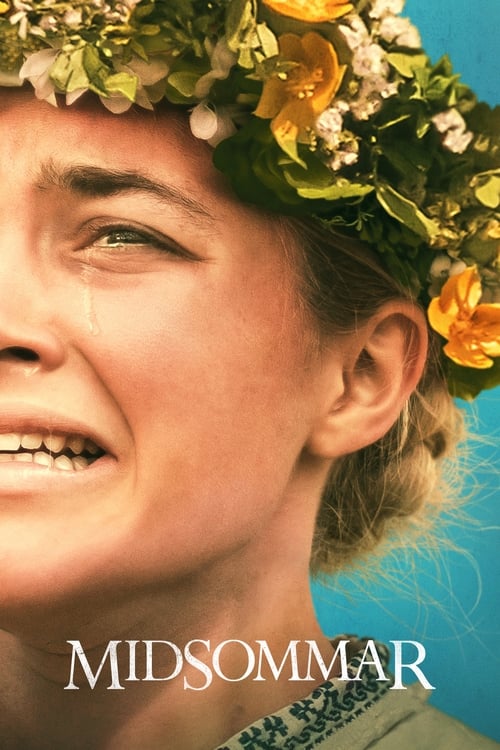
Aster doubles down with a change of scenery: Swedish Värmland, midsummer, midnight sun. Midsommar is a breakup film pretending to be a horror film — Florence Pugh works through her grief in a community that ritualises it. The final sequence is one of the most debated of the 2010s. Folk horror in daylight, no shadows — the aesthetic break the subgenre needed.
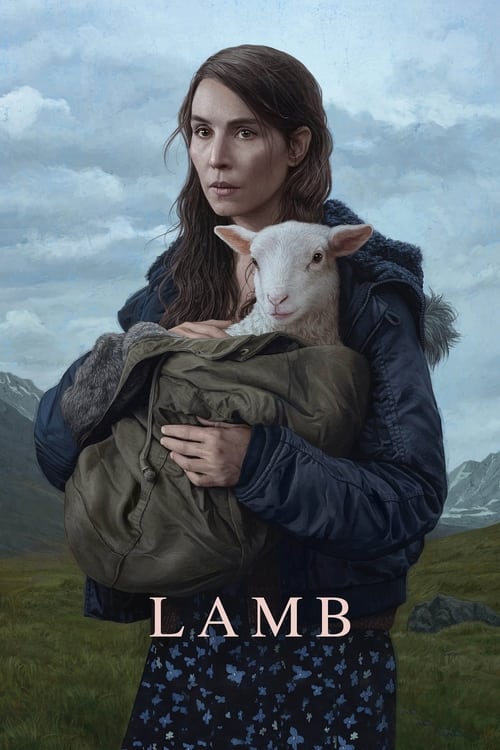
Valdimar Jóhannsson films an Icelandic farming couple raising a lamb-child. Lamb refuses expressivity — no score for two-thirds of the film, sparse dialogue, long takes on the volcanic landscape. It's a pagan fable where transgressing the human-animal boundary triggers a slow revenge. Noomi Rapace holds the film. A24 read the room correctly.
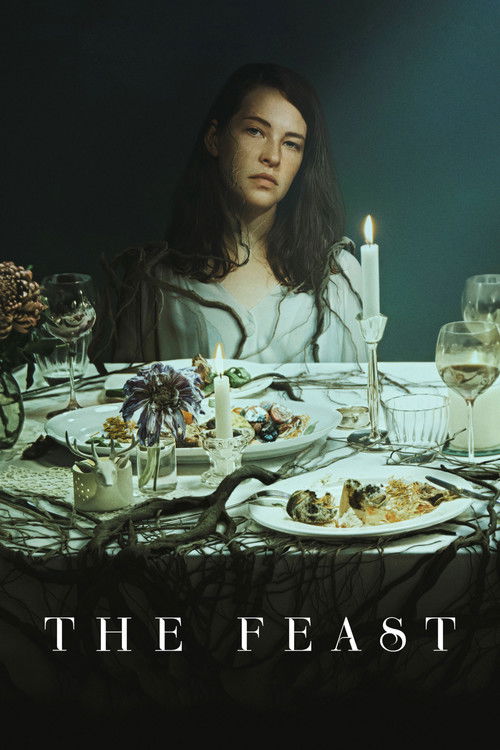
First Welsh-language film nominated at the BAFTAs. Lee Haven Jones films a bourgeois dinner in a farm converted into a contemporary house — except the young cook hired to serve isn't exactly human. The Feast (Gwledd) is about mining extraction, rural capitalism, and the land-spirit's revenge. Anti-capitalist folk horror that doesn't disguise its thesis — all the better for it.
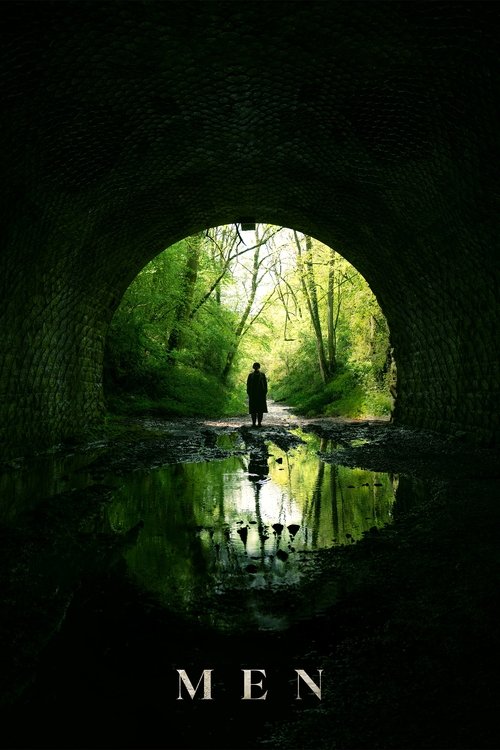
Alex Garland traps Jessie Buckley in an English country house where every man has the same face (Rory Kinnear). Men is the hardest folk-horror entry on this list to defend — an allegorical parade interpretation of systemic misogyny, a grotesque finale that divides even the film's defenders. But Garland films the English countryside as threat, and that's exactly what the subgenre demands.
Folk horror never needs to explain. The land remembers, the village knows, the ritual has its own logic. That's what makes it so robust — when the subgenre travels (India, Iceland, Wales) it keeps its thesis intact because the thesis isn't cultural, it's anthropological. Where to start: The Wicker Man first. Then The Witch. The rest will open up in chain.