J-Horror — the terror that settles in
Japanese horror doesn't pounce on you — it settles behind your back, lets you get used to it, then never leaves. Here's its history and our ten essentials.
Why J-Horror scares differently
Japanese horror cinema relies on neither jump scares nor gore. Its terror grows from accumulation, off-screen presence, silences held too long. Where Hollywood shows, J-Horror suggests — a strand of black hair where it shouldn't be, a silhouette in the wrong place, a TV that turns itself on. This restraint is cultural: Japanese fear is rooted in yūrei folklore (vengeful female spirits), in unspoken shame, in the family home as haunted territory.
The result: films that lodge in you. You don't scream, you go home uneasy and sleep with the light on. Hideo Nakata, Takashi Miike, Kiyoshi Kurosawa, Banjong Pisanthanakun (on the Thai side) shaped a visual language that has infused all of world horror cinema — Ring rewrote the rules of American ghost films within two years.
Chronological landmarks
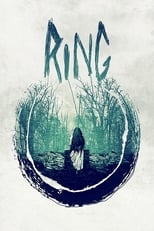
- 1998Ring by Hideo Nakata
The film that founded modern J-Horror. A VHS tape that kills seven days after viewing. Quiet release in Japan, global tidal wave on DVD.
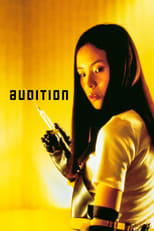
- 1999Audition by Takashi Miike
First hour: muted romance. Final half-hour: one of the most enduring cinematic traumas ever filmed. Miike enters the legend.
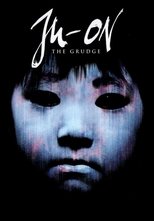
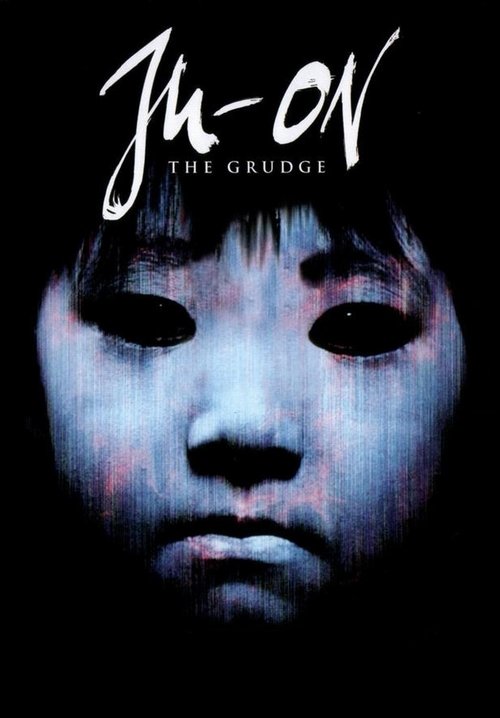
- 2002Ju-On: The Grudge
Takashi Shimizu establishes the cursed house as autonomous entity. Three American remakes later, the black-haired yūrei motif is universal.
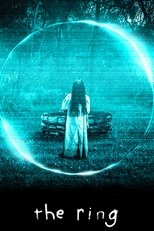
- 2005-2010Global wave and remakes
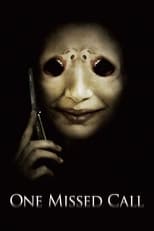
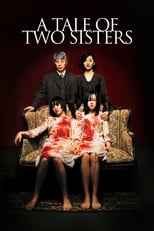
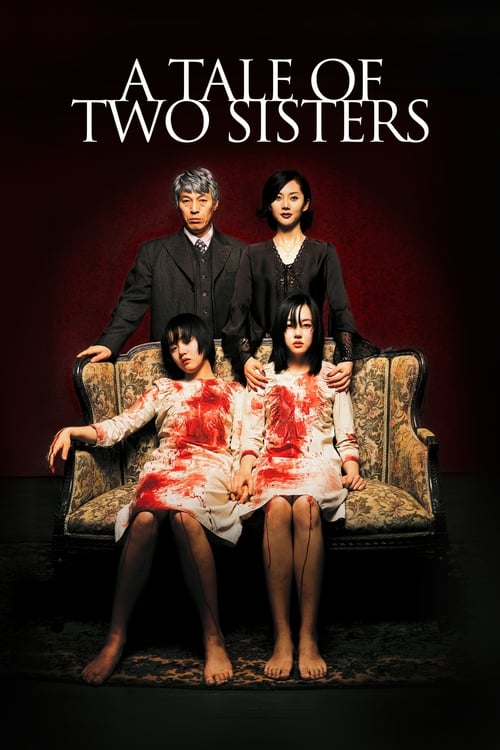
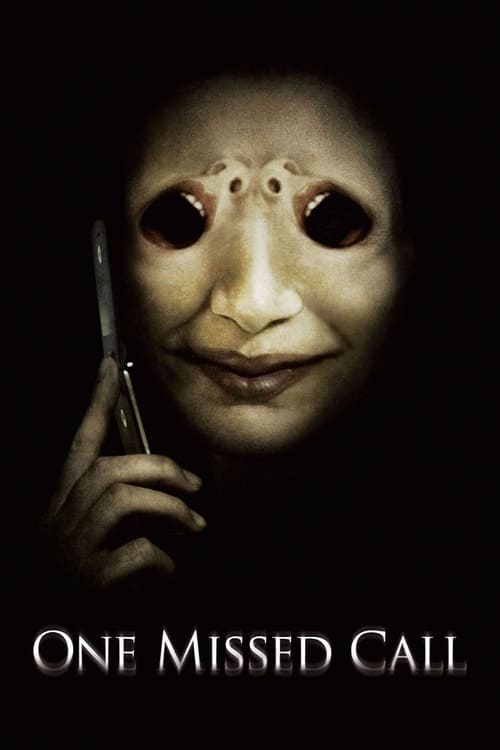
Hollywood mines the vein: The Ring, The Grudge, Dark Water, One Missed Call. The originals always outclass them. Korea takes over with A Tale of Two Sisters.
- 2021+Contemporary renaissance
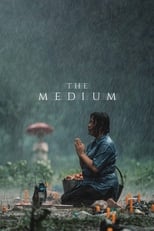
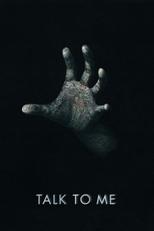
Incantation (Taiwan), The Medium (Thailand/Korea), Talk to Me in parallel — J-Horror and its Asian cousins redefine the genre once again.


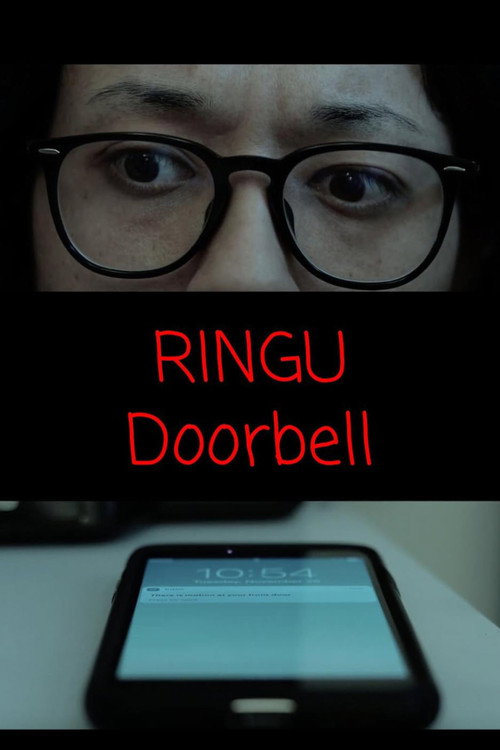
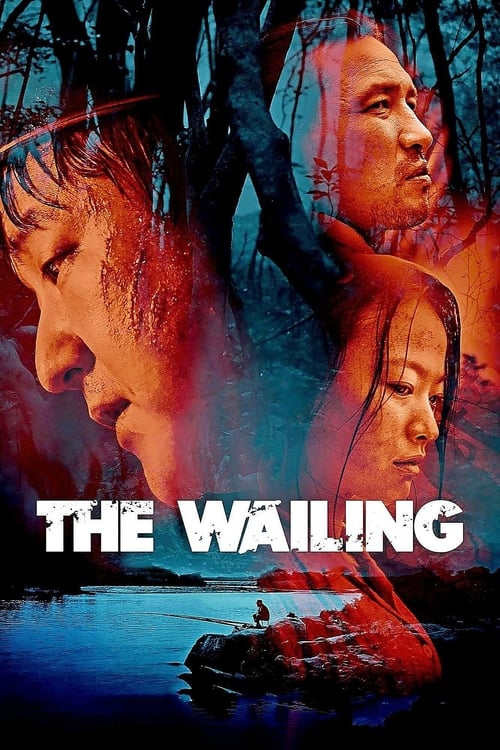
Top 10 J-Horror & K-Horror
Ten films to enter Asian horror — the essential founders and the contemporary gems not to miss.


Where to stream J-Horror
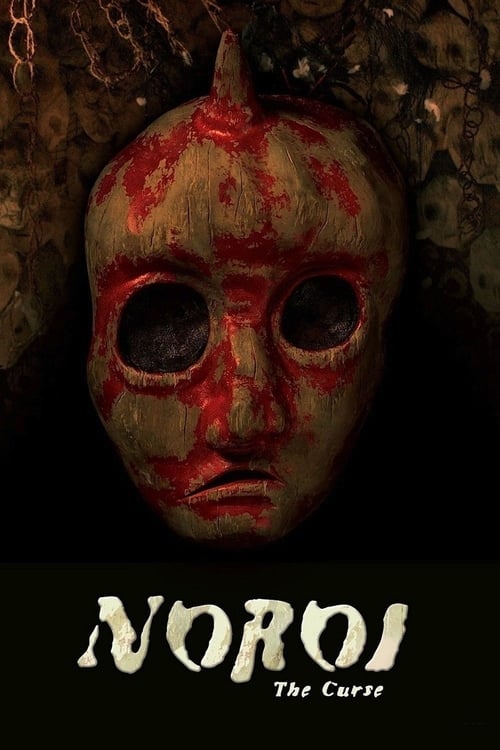
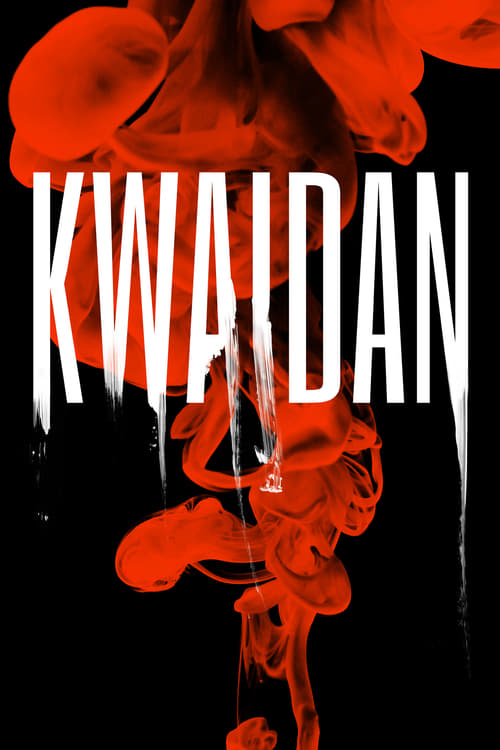
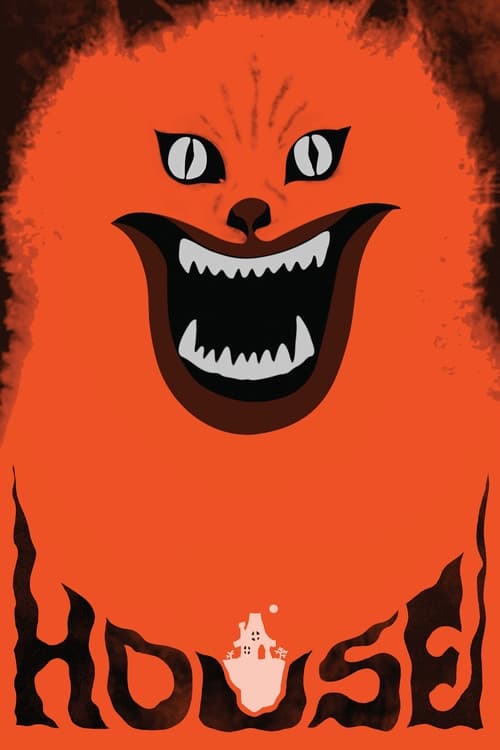
Shudder is the strongest platform for Asian horror: Ring, Ju-On, Pulse, Noroi, Incantation, The Medium — they're all there. Mubi regularly programs Kurosawa and Miike retrospectives. Amazon Prime is uneven by country but rich in Japan. For rare works (Hausu, Kwaidan, Onibaba), Criterion Channel remains unbeatable but requires a US VPN.