Folk Horror — when the countryside becomes a trap
Forgotten rituals, lingering paganism, communities that smile a little too much. Folk horror is the most symbolically loaded sub-genre — here are its foundations and its masterpieces.
Definition and British origins
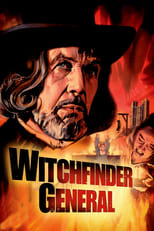
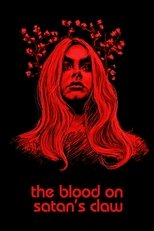
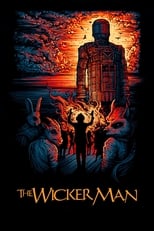
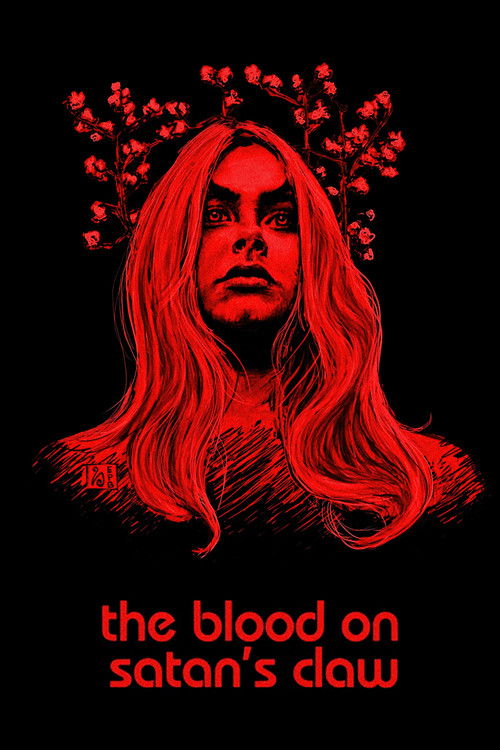
Folk horror is born in the United Kingdom in the late 1960s. The founding trinity — Witchfinder General (1968), Blood on Satan's Claw (1971), The Wicker Man (1973) — sets the codes: an outsider protagonist (often religious, often rational) confronted with a rural community still practicing old rites. The landscape is not a backdrop: it is a character. Forest, moor, wheatfield carry a pagan memory that modernity has not erased.
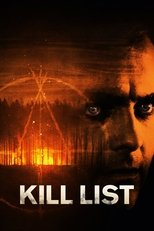
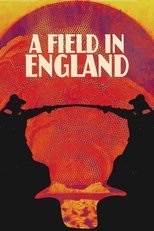
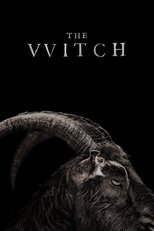
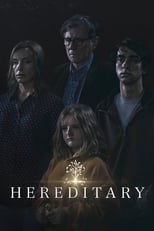
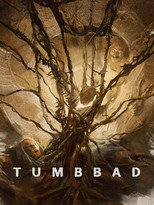
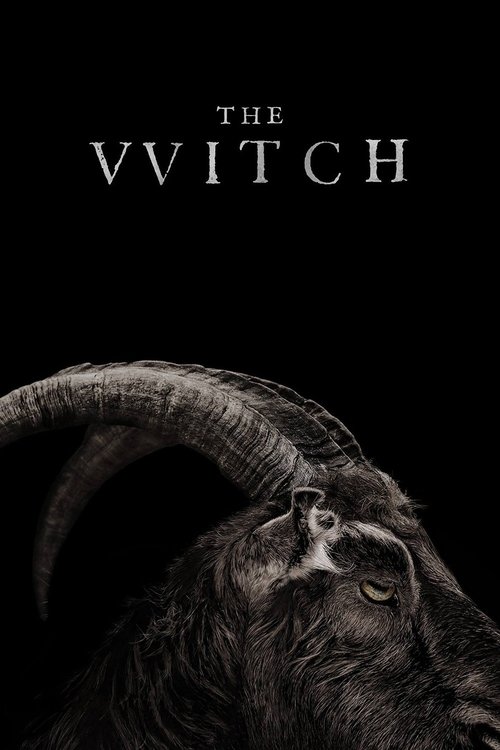
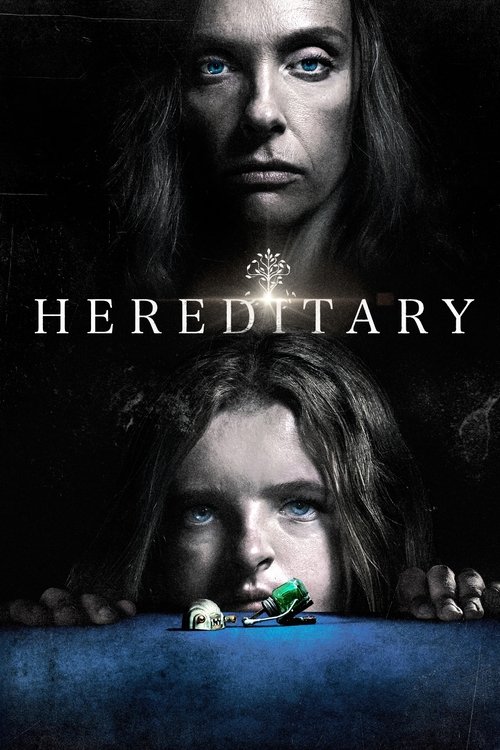
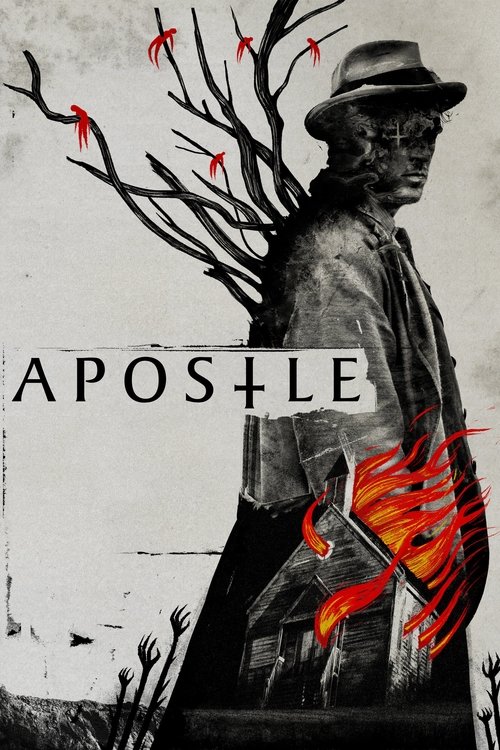
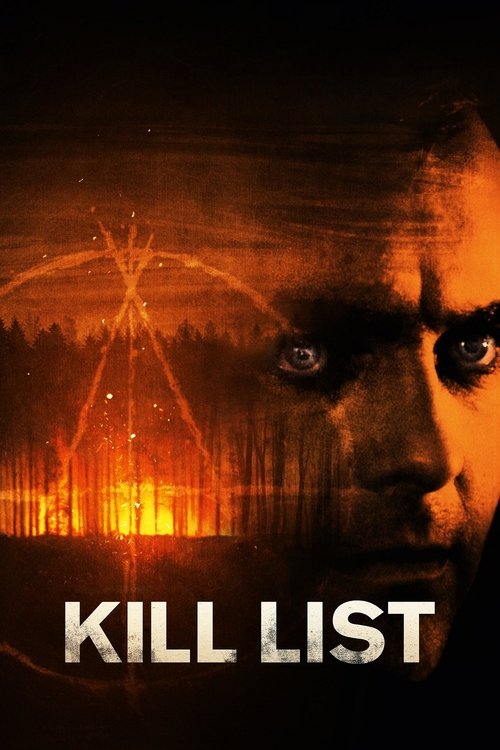
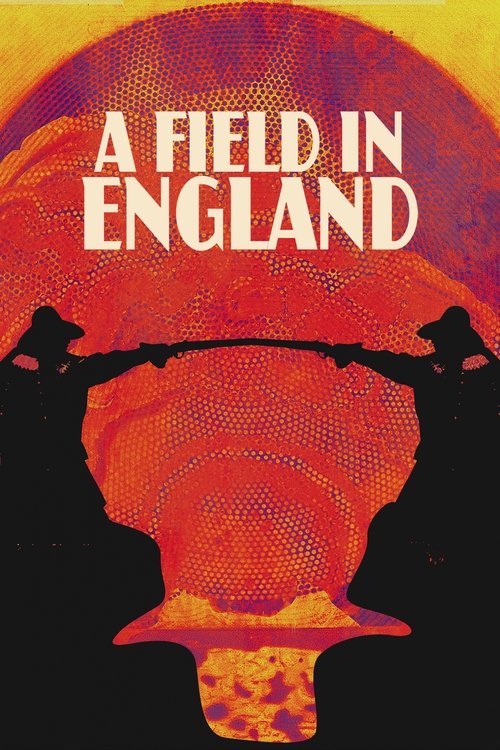
The genre fades in the 1980s then resurges with unexpected force from 2015 onwards. Robert Eggers (The Witch), Ari Aster (Midsommar, Hereditary), Ben Wheatley (Kill List, A Field in England) revisit the British codes while injecting new formal intensity. Modern folk horror is no longer exclusively British — Tumbbad (India), Apostle, La Llorona — but it keeps its core: nature as slow threat, the past that refuses to die.
Folk horror milestones
- 1968-1973The founding trinity
Witchfinder General, Blood on Satan's Claw, The Wicker Man. Three films that codify the genre: outsider protagonist, pagan community, hostile landscape.
- 1970sBBC and televised folklore
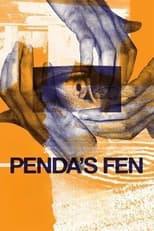
Penda's Fen, A Ghost Story for Christmas — British television keeps the genre alive while cinema turns away.
- 2010-2015Underground revival
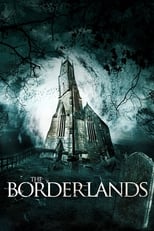
Kill List, A Field in England, The Borderlands — Ben Wheatley relaunches the genre from the UK with a brutal, formally precise approach.
- 2015-2019International recognition
The Witch (Eggers, 2015) and Hereditary (Aster, 2018) bring folk horror back to art-house theaters. Midsommar completes the movement in broad daylight.
- 2020+Global folk horror
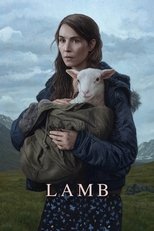
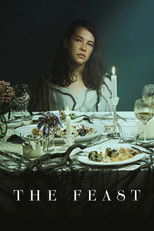
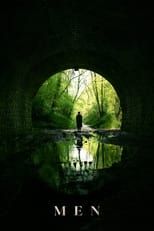
Tumbbad (India), Lamb (Iceland), Men (UK), The Feast (Wales). The sub-genre enriches itself with non-British mythologies.

Top 10 Folk Horror
Ten films to grasp folk horror — from British classics to contemporary reimaginings.


Where to stream folk horror
Shudder is still the best entry point: The Witch, Kill List, A Field in England, The Wicker Man often appear. Mubi regularly programs British folk horror retrospectives. A24 (via Apple TV+ or rental) remains the reference label for Hereditary, Midsommar, Lamb. Amazon Prime aligns its catalog by country — the UK catalog holds BBC classics unavailable elsewhere.