Found Footage — first-person horror
Shoulder-mounted camera, grainy image, found footage turns the viewer into a witness. Twenty-five years after Blair Witch, the format has never been more alive.
The illusion of raw documentation
Found footage promises a recovered video — VHS tape, investigation file, livestream. It abolishes cinematic mediation: no extra-diegetic music, no stylized framing, no continuity edits. Everything you see is supposed to be real. This raw-document aesthetic comes at a price — the feeling of being there, in first person, when something goes wrong.
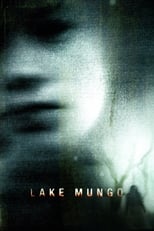
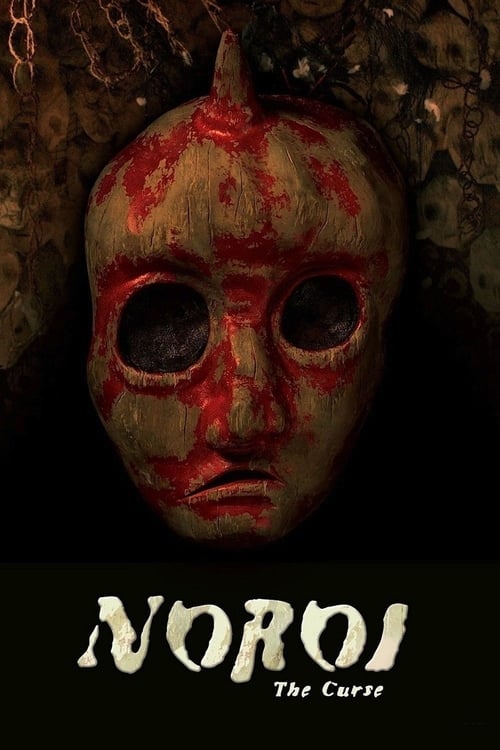
The format walks a tightrope. One misstep (camera too steady, dialogue too written, editing too visible) and the illusion collapses. Its best representatives — Blair Witch, REC, Lake Mungo, Noroi — understood that the secret isn't absolute realism but coherence of the device. Shot on tiny budgets, shot fast, they proved that the idea eats the money.
Genre milestones
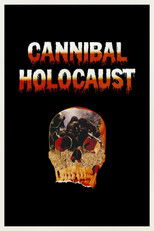
- 1980Cannibal Holocaust
Ruggero Deodato lays the matrix of horror found footage twenty years before Blair Witch. Mock-documentary so convincing Deodato ends up in court.
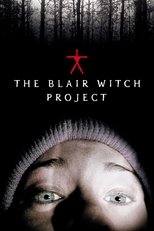
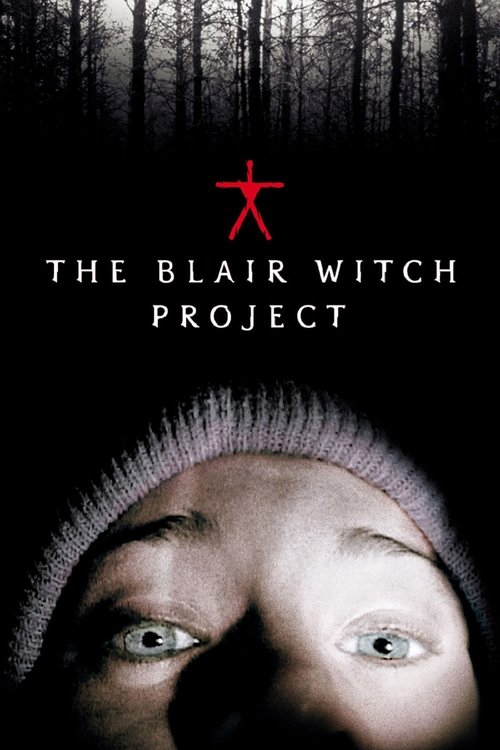
- 1999The Blair Witch Project
$60,000 budget, $250 million box office. Internet marketing inaugurates the modern found-footage era. The whole genre flows from here.
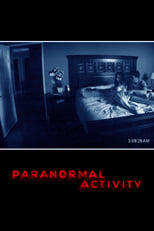
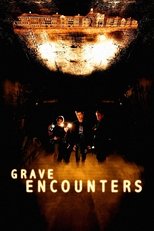
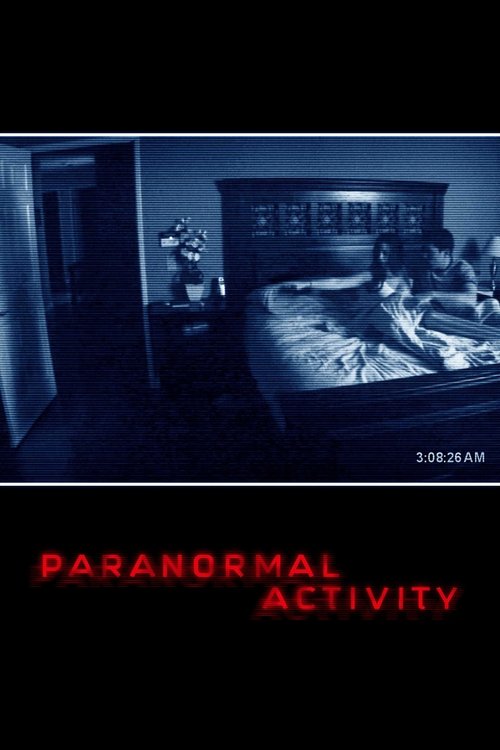
- 2007-2012Paranormal golden age
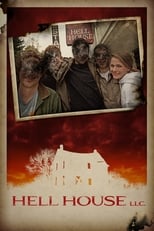
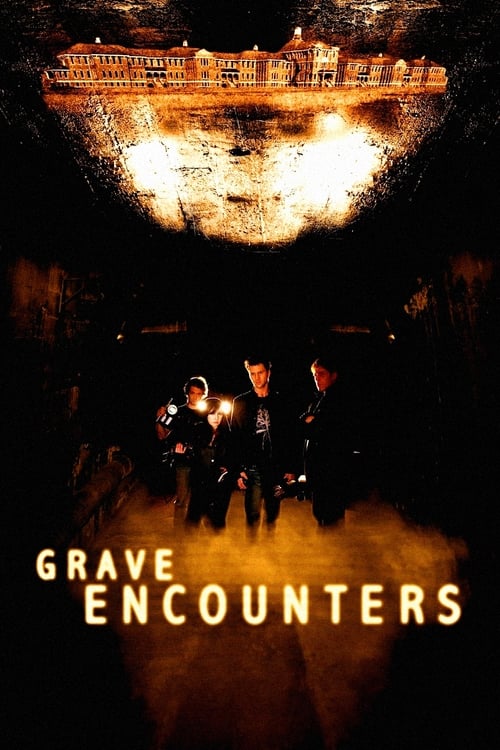
Paranormal Activity, REC, Grave Encounters, Hell House LLC. The paranormal sub-genre becomes industry. Saturation hits by 2013.
- 2014-2018Maturation and hybrids
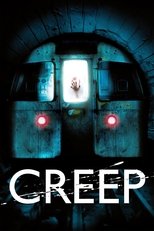
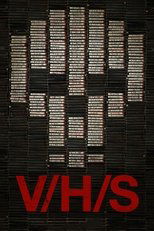
Creep, Lake Mungo (in retrospect), V/H/S. The format reinvents itself by abandoning the haunted house for psychological portrait and anthology.
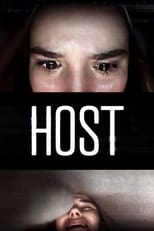
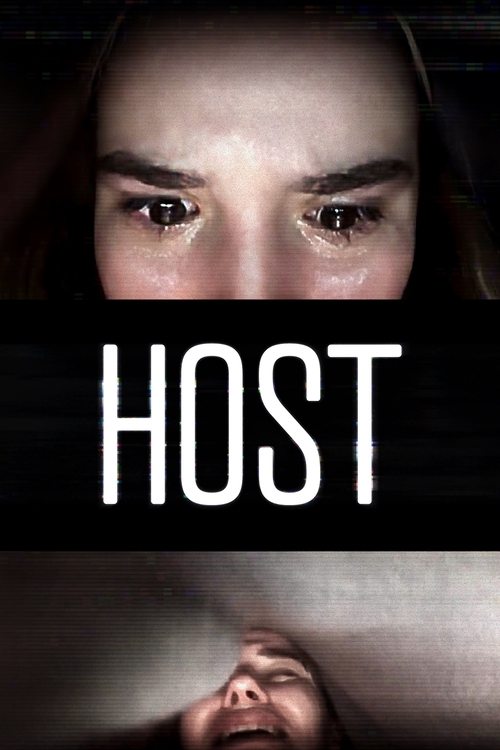
- 2020+Host, screens and pandemic
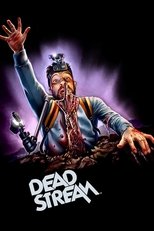
Rob Savage's Host shot during lockdown over Zoom. The computer screen becomes the new frame. Incantation and Deadstream extend the momentum.
![[REC]](https://image.tmdb.org/t/p/w154/hgyJR4sgMsee6xMFM3xYiG6cDCh.jpg)

Top 10 Found Footage
From the Blair Witch foundation to the pandemic innovation of Host: ten films proving the format is anything but dead.
![[REC]](https://image.tmdb.org/t/p/w500/hgyJR4sgMsee6xMFM3xYiG6cDCh.jpg)


Where to stream found footage
Shudder remains the home of the genre: Host, Lake Mungo, Hell House LLC, Grave Encounters, Noroi all live there comfortably. Amazon Prime carries Paranormal Activity, Cloverfield and REC for rental. Netflix is uneven by country but occasionally adds Incantation and The Medium. For rare gems (Butterfly Kisses, Savageland, The Poughkeepsie Tapes), Shudder US is usually the only option.